The Essential Role of Construction Stakeout Surveys

construction stakeout surveys

Construction stakeout surveys are essential for any building project. These surveys involve marking the locations of structures on a construction site, based on architectural and engineering plans. This ensures that everything is built exactly where it should be. Having precise markers helps us avoid costly errors and delays, making sure our project runs smoothly from start to finish.

Understanding Construction Stakeout Surveys: Survey Role

Construction worker using professional surveying equipment at a building site

Construction stakeout surveys play a crucial role in the building process. These surveys involve placing physical markers on a site to represent the exact locations of proposed structures, based on design plans. This ensures that every element of the project is built in its correct position, helping us avoid misalignment and construction errors.

The process begins with surveyors reviewing architectural and engineering drawings to understand the project’s layout. They use specialized equipment, like total stations and GPS devices, to set stakes or pins at key points on the construction site. These markers guide the construction crew, making sure foundations, walls, and other structures are positioned precisely as intended. This accuracy is vital for the structural integrity and overall success of the project.

For more information, see the OSHA construction safety standards.

Key Elements Marked in Construction Stakeout Surveys

A construction stakeout survey marks several essential elements on a construction site. These markers ensure that each part of the project is built according to plan, providing a clear roadmap for the construction crew.

1. Building Corners: The corners of buildings are marked to establish the exact footprint of the structure. This helps in setting out the foundation and walls accurately.

2. Utility Lines: Locations for water, gas, sewer, and electrical lines are marked to ensure proper installation and to avoid interference with other structures.

3. Elevations: Markers indicating different elevation levels help guide the grading and leveling of the site. This ensures that the land is prepared correctly for construction and that drainage systems work effectively.

4. Roads and Pathways: The positions of roads, driveways, and walkways are staked out, ensuring they are built in the correct locations relative to buildings and other facilities.

5. Setbacks and Boundaries: Property boundaries and setback lines are marked to ensure the construction stays within legal limits and complies with zoning regulations.

By clearly marking these key elements, construction stakeout surveys help us manage the building process more effectively. They provide the guidance needed to execute our plans accurately, minimizing the risk of costly errors and delays.

The Benefits of Using Construction Stakeout Surveys

Construction stakeout survey markers on a building site

Utilizing construction stakeout surveys offers numerous benefits that streamline the building process and ensure project success. These surveys provide us with detailed and precise guidance, allowing for efficient and accurate construction work.

One significant benefit is the prevention of costly mistakes. By marking exact locations for structures, utilities, and boundaries, we avoid misplacements and errors that can lead to expensive corrective measures. This accuracy helps us keep projects on budget and on schedule, reducing the likelihood of delays caused by rework or adjustments.

Another key benefit is compliance with regulatory requirements. Construction stakeout surveys ensure that all elements of the project align with local zoning laws and building codes. This compliance not only helps us avoid legal complications but also ensures that the construction is safe and meets all necessary standards. Additionally, these surveys aid in coordination among different teams, including architects, engineers, and builders, fostering better communication and project execution.

How to Effectively Implement a Construction Stakeout Survey

Implementing a construction stakeout survey effectively involves several crucial steps. Each step ensures the survey’s accuracy and usefulness in guiding the construction process.

1. Hire a Professional Surveyor: The first step is to engage a qualified and experienced surveyor. Look for professionals who have expertise in construction stakeout surveys and a good track record. Their skills and equipment are vital for getting precise measurements and markers.

2. Provide Project Plans: Share detailed architectural and engineering plans with the surveyor. These documents form the basis of the stakeout, so accuracy in the provided plans is essential.

3. Conduct a Site Review: Before the surveyor starts marking the site, conduct a thorough review of the site conditions. This helps identify any potential obstacles or unique features that need to be considered during the stakeout.

4. Monitor the Stakeout Process: Stay engaged throughout the stakeout process. Regularly check in with the surveyor to ensure everything is proceeding as planned and address any issues that arise.

5. Review the Completed Stakeout: Once the stakeout is complete, review the markers and compare them with the project plans. Ensure all key elements are accurately marked and clearly visible to the construction crew.

6. Communicate with the Construction Team: Share the stakeout results with the entire construction team. Provide clear instructions and make sure everyone understands the significance of the markers and follows them precisely.

By following these steps, we can ensure that our construction stakeout survey is implemented effectively, providing a solid foundation for a successful building project.

Conclusion

Understanding and implementing construction stakeout surveys are critical to the success of any building project. These surveys provide us with a precise road map, marking the exact locations for structures, utilities, and other key elements. By ensuring everything is accurately placed, we prevent costly mistakes and keep our projects on track. This not only saves time and money but also ensures compliance with regulatory requirements and fosters better coordination among project teams.

If you’re planning a construction project and want to ensure everything is built according to plan, consider using our professional construction stakeout survey services in Florida. Our experienced team at  Will’s Service Group will provide you with the precise and reliable guidance needed for successful project execution. Contact us today to get started and build with confidence.

Understanding construction stakeout survey role helps Florida property owners make informed decisions about their land and investments. Contact Will’s Service Group for professional guidance tailored to your specific needs.

Frequently Asked Questions

What role does a stakeout survey play in preventing construction errors?

A stakeout survey serves as the primary quality control step between design and construction. By precisely marking building corners, utility routes, and grade elevations before work begins, the survey prevents misaligned foundations, incorrect setbacks, and utility conflicts. Catching a two-inch error on paper before pouring concrete saves thousands of dollars compared to discovering the same error after the structure is built and a failed inspection triggers costly remediation.

How often should a stakeout survey be performed during a project?

On a typical residential construction project, stakeout surveys are performed at least twice: once for the initial building layout and rough grading, and again for the foundation form placement. Commercial projects and multi-phase developments may require stakeout surveys at every major phase, including underground utilities, each building pad, road alignment, and final grading. Each re-stake verifies that prior construction phases have not shifted the reference points.

What information does a contractor receive from a stakeout survey?

The contractor receives a stakeout report and field stakes that include building corner positions, offset reference stakes, cut and fill values at each point, finished floor elevations, utility invert elevations, and the locations of setback lines and easement boundaries. The report cross-references each stake to the approved site plan so the contractor can verify that all construction elements are being placed according to the engineered design.

The Role of Tree Surveys in Protecting Urban Greenery

Tree Surveys in Protecting Urban Greenery

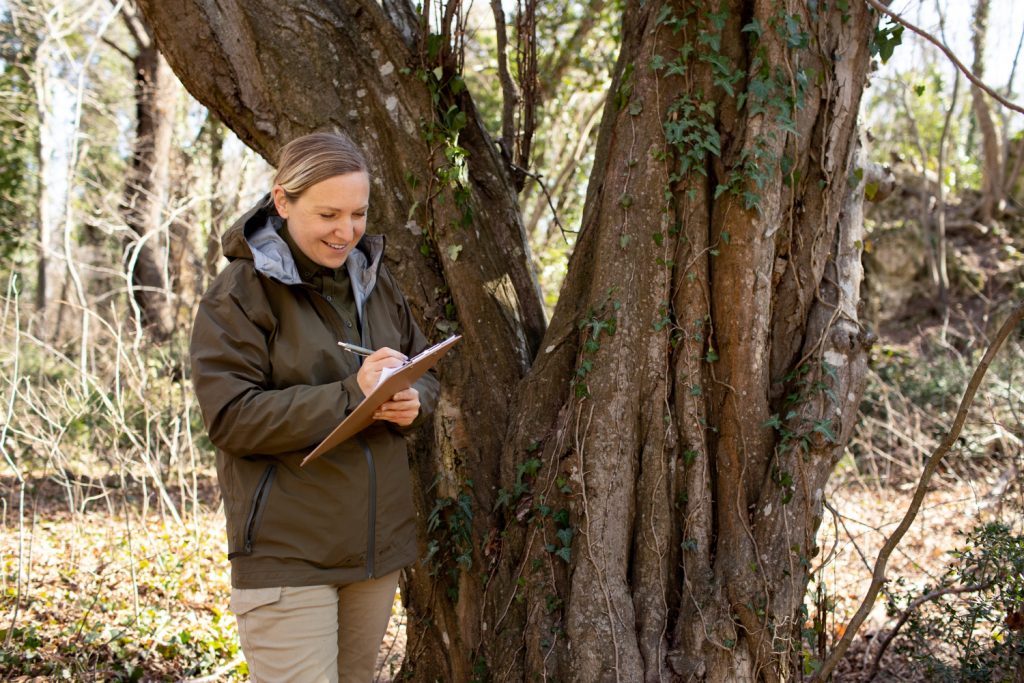
Tree survey urban greenery protection plays a critical role in property management and development in Florida. Tree surveys are vital for maintaining and protecting the greenery in urban areas. These surveys help us understand the health, species, and positioning of trees within a city. By evaluating these factors, we can make informed decisions about tree care, planting, and removal, ensuring a healthy urban ecosystem that benefits everyone. Maintaining urban greenery is essential for improving air quality, providing shade, and supporting local wildlife.

Tree Survey Urban Greenery Protection

drone view of a land property with trees

Tree surveys are crucial for managing the greenery in urban environments. These surveys involve a detailed assessment of trees within a specified area, providing important information about their health, species, size, and exact location. This data helps us make informed decisions about tree preservation, maintenance, and planting.

Having accurate information from tree surveys lets us identify any risks posed by unhealthy trees, such as falling branches or roots that could damage infrastructure. Early detection of issues like diseases or infestations allows for timely intervention, which can save trees and prevent potential hazards. Tree surveys ensure our urban areas remain safe and green, offering benefits like improved air quality, cooler temperatures, and enhanced aesthetic value.

For more information, see the UF/IFAS Extension tree care resources.

Key Components Assessed in Tree Surveys

Tree surveys assess various key components to provide a comprehensive overview of the urban forest. By examining these elements, we can better understand the condition and needs of each tree.

1. Tree Species: Identifying the species of each tree is fundamental. Understanding species diversity helps us maintain a balanced ecosystem, better manage pests and diseases, and select appropriate species for planting.

2. Tree Health and Condition: This includes checking for signs of disease, decay, or structural weaknesses. Surveyors evaluate the tree’s canopy, trunk, and roots to determine overall health and identify any immediate care needs.

3. Dimensions and Structure: Measuring the height, trunk diameter, and canopy spread of each tree provides valuable data for urban planning. This information helps us know which spaces are suitable for additional trees and how existing ones might impact nearby structures.

4. Location and Proximity: Knowing the exact position of each tree and its proximity to buildings, roads, and utilities is crucial. This data helps prevent damage to infrastructure and ensures trees are situated in places where they can thrive without causing issues.

By documenting these key components, tree surveys give us the detailed information needed to manage urban greenery effectively. This data supports our efforts to protect existing trees and strategically plan for future plantings, contributing to a healthier and more resilient urban environment.

Benefits of Conducting Tree Surveys for Urban Areas

tree survey

Tree surveys bring numerous benefits to urban areas. One significant advantage is improved public safety. By identifying and addressing hazardous trees, we can prevent accidents caused by falling branches or unstable trunks. This proactive approach ensures that our public spaces remain safe for everyone to enjoy.

Additionally, tree surveys support urban planning and development. Accurate data about existing trees helps us plan construction projects without harming valuable green spaces. This information allows us to design buildings, roads, and other infrastructure in ways that protect and integrate with the natural environment. Preserving trees during development projects enhances the aesthetic appeal of urban areas and maintains the ecological balance.

Furthermore, tree surveys contribute to environmental sustainability. They help us monitor tree health, ensuring that urban forests remain robust and resilient. Healthy trees play a crucial role in reducing air pollution, lowering temperatures, and providing habitats for wildlife. By conducting regular tree surveys, we actively promote a greener and healthier urban environment.

Best Practices for Implementing Effective Tree Surveys

To maximize the benefits of tree surveys, following best practices is essential. Here are some key steps to ensure accurate and comprehensive surveys.

1. Engage Qualified Professionals: Hiring experienced and certified arborists or surveyors is crucial. They have the expertise to identify tree species, assess health conditions, and record precise data. Qualified professionals ensure the survey’s accuracy and reliability.

2. Use Advanced Tools and Techniques: Employing modern tools like GIS (Geographic Information Systems) and GPS ensures precise mapping and data collection. These technologies help us capture detailed information about tree locations and conditions, making the survey more comprehensive.

3. Conduct Regular Surveys: Scheduling periodic tree surveys helps us monitor changes in tree health and conditions over time. Regular assessments allow for early detection of diseases or structural issues, enabling timely interventions.

4. Involve the Community: Engaging local residents in the tree survey process raises awareness about the importance of urban greenery. Community involvement can provide additional insights and foster a sense of stewardship for the environment.

5. Maintain Clear Documentation: Keeping detailed records of all survey findings is essential. Comprehensive documentation ensures that valuable information is available for future reference, aiding in long-term urban planning and tree management.

By following these best practices, we can implement effective tree surveys that protect and enhance our urban green spaces. These efforts contribute to safer, healthier, and more beautiful cities.

Conclusion

Urban greenery plays a vital role in enhancing the quality of life in our cities. Tree surveys are a crucial tool for managing and protecting these green spaces. They provide essential data that helps us maintain healthy trees, ensure public safety, and support sustainable urban development. By understanding the importance of tree surveys and following best practices, we can create greener and more resilient urban environments.

At Will’s Service Group, we are dedicated to preserving and enhancing our urban forests. Our expert team conducts thorough and accurate tree surveys, helping communities safeguard their natural treasures. Reach out to us today to learn how we can assist with your tree survey needs and contribute to a healthier urban landscape.

How Commercial Surveys Can Boost Your Business Plans

commercial surveys

Commercial surveys are crucial for any business planning to develop or modify property. These surveys provide detailed information about land boundaries, topography, and existing structures, helping us make informed decisions and avoid costly mistakes. They become instrumental whether we are purchasing new property, expanding existing facilities, or planning renovations.

A commercial survey can provide valuable insights into the land’s physical features, property lines, and legal descriptions. This ensures that our plans align with the actual layout and legal restrictions of the property. Not only do these surveys help in complying with zoning laws and building codes, but they also highlight any potential issues that could delay or derail our project. Understanding these factors early in the planning stage allows us to address them proactively.

As business owners and developers, we know that accurate information is the foundation of successful projects. Having a detailed commercial survey can protect us from legal disputes and unforeseen expenditures. Investing in a comprehensive survey ensures that our business plans are grounded in reality, paving the way for smoother execution and long-term success.

For more information, see the SBA site selection guidance.

The Role of Commercial Surveys in Business Planning: Survey Plans

Survey project gallery image of commercial property mapping

Commercial surveys are integral to effective business planning because they provide precise information about land and property. When we undertake a commercial survey, we gather details on property boundaries, the physical features of the land, and any existing structures. This data is essential for planning new developments or modifications because it helps us understand the lay of the land.

With a commercial survey, we can accurately determine property lines, which is crucial for avoiding disputes with neighbors and ensuring that our developments are compliant with local zoning laws. 

Additionally, these surveys reveal possible issues like encroachments, easements, or right-of-way that could impact our project. Understanding these factors well in advance allows us to make informed decisions, plan effectively, and avoid costly errors during construction.

Different Types of Commercial Surveys and Their Benefits

There are several types of commercial surveys, each serving a distinct purpose. Here are some of the key types and their benefits:

1. Boundary Surveys: These surveys map out the exact property lines. They are useful for identifying the precise limits of a property to avoid encroachments and settle disputes with neighbors.

2. ALTA Surveys: These are comprehensive surveys usually required by lenders and title companies. They include detailed information on property boundaries, improvements, easements, and other significant features. ALTA surveys help in securing proper title insurance and ensuring there are no surprises during property transfer.

3. Topographical Surveys: These surveys provide information about the land’s elevations and features, such as hills, valleys, and existing buildings. They are essential for planning drainage solutions, utility placements, and building foundations.

4. Construction Stakeout Surveys: These are used to guide construction activities by placing markers that define the location of new structures. They ensure that the construction follows the design plans accurately, avoiding costly mistakes.

5. As-Built Surveys: Conducted after construction, these surveys verify that the completed work matches the proposed plans. They are crucial for ensuring compliance with design specifications and local regulations.

Each type of commercial survey offers unique benefits, helping us to manage different aspects of property development efficiently. By choosing the right survey type, we can obtain the specific information needed to support our business plans, minimize risks, and ensure successful project execution.

How Accurate Surveys Help Avoid Legal and Financial Risks

Commercial property boundary markers after survey completion

Accurate commercial surveys play a crucial role in avoiding legal and financial risks. These surveys give us a clear picture of property boundaries, ensuring there are no disputes with neighboring properties. 

This is particularly important when it comes to purchasing or developing land, where misunderstandings or errors can lead to costly legal battles. By knowing the exact property lines, we can prevent potential encroachments and the resulting disputes.

Not to mention, commercial surveys identify any existing easements, rights-of-way, or zoning restrictions. This information is vital as it helps us ensure that our development plans comply with local laws and regulations. 

For instance, discovering an easement that allows utility companies access to a portion of the property can affect where we place structures. Recognizing these issues early on helps us make necessary adjustments before any money is spent on construction.

Accurate surveys also help in financial planning. They provide detailed topographic data, which is essential for estimating construction costs. Knowing the land’s contours and natural features allows us to design more efficiently, potentially saving us significant amounts of money. 

Avoiding unexpected issues during construction, such as discovering that the land is unsuitable for building, can help prevent expensive delays and redesigns.

Steps to Conduct a Successful Commercial Survey for Your Business

Conducting a successful commercial survey involves several key steps. These steps ensure that we gather all necessary information to support our business projects effectively.

1. Select a Qualified Surveying Team: The first step is to choose a professional surveying team with experience in commercial surveys. They will have the skills and tools needed to provide accurate data.

2. Define the Scope of Work: Clearly outline what needs to be surveyed and what information is required. This may include property boundaries, topographical details, or existing structures.

3. Conduct Preliminary Research: The surveyors will review existing property records, maps, and previous surveys. This background research helps in understanding any historical issues or existing easements.

4. Field Surveying: The survey team visits the site to collect data. They use specialized equipment to measure land features, boundaries, and structures.

5. Data Analysis and Mapping: After collecting the data, the surveyors analyze it and create detailed maps and reports. These documents provide a visual representation of the property and include all relevant information.

6. Review and Finalize: Finally, review the survey results with the surveying team. Ensure that all the necessary information is included and clearly understood.

Following these steps ensures that the commercial survey is thorough and accurate, providing the essential information needed to move forward with confidence in our business plans.

Unlocking Business Potential with Commercial Surveys

Commercial surveys are invaluable tools that play a critical role in successful business planning and development. They provide us with a detailed understanding of the property, ensuring that our projects comply with local regulations and avoid legal and financial risks. By identifying property boundaries, easements, and topographical features, commercial surveys allow us to make informed decisions and manage our resources effectively.

At Will’s Service Group, we specialize in conducting comprehensive commercial surveys in Florida that support your business objectives. Our expertise in land surveying ensures that you receive accurate and reliable information to guide your development plans. 

Contact us today to learn more about how our commercial surveys can benefit your business and help you navigate your projects with confidence.

A Quick Guide to ALTA Surveys for Property Transactions

Surveys-for-Property-Transactions

Alta survey quick guide transactions plays a critical role in property management and development in Florida. When buying or selling commercial property, it’s important to have all the necessary information to make informed decisions. One essential tool for property transactions is the ALTA survey. An ALTA survey provides a detailed look at both the physical and legal aspects of a property, making it a crucial part of the real estate process. By understanding what an ALTA survey entails, we can better navigate property transactions with confidence.

An ALTA survey helps identify the property’s boundaries, any improvements, and easements or encroachments that may affect it. This level of detail ensures that both buyers and sellers are aware of any potential issues that could impact the property’s value or future use. Obtaining an ALTA survey also helps in securing title insurance, as it provides the title company with the detailed information they need to insure title against unrecorded defects.

In the complex world of property transactions, having a reliable ALTA survey can protect us from unexpected surprises. These surveys offer a clear picture of the property, helping to prevent legal disputes and financial losses. By investing in an ALTA survey, we ensure that our property dealings are transparent, benefiting all parties involved.

For more information, see the ALTA/NSPS survey standards.

What Is an ALTA Survey and Its Importance?: Quick Guide Transactions

ALTA survey measurements on a commercial site

An ALTA survey, short for American Land Title Association survey, is a detailed land survey used primarily in commercial property transactions. It scrutinizes both the physical and legal aspects of a property, giving comprehensive insights that help us understand everything about the land we are dealing with. Unlike basic property surveys, ALTA surveys must meet strict standards set by the American Land Title Association and the National Society of Professional Surveyors, ensuring their accuracy and reliability.

The importance of an ALTA survey in property transactions cannot be overstated. For buyers, it provides a clear picture of what they are purchasing, including the land’s boundaries, improvements, and any potential legal issues like easements or encroachments. For sellers, an ALTA survey helps demonstrate that the property is accurately represented, which can be crucial for negotiations. Furthermore, these surveys are often required by lenders and title companies before they will issue title insurance, making them an essential step in securing a property transaction.

Key Components of an ALTA Survey

An ALTA survey includes several key components that offer a thorough examination of the property. These components ensure that we have all the important details needed for informed decision-making.

1. Boundary Lines: This element defines the property’s exact boundaries, helping to avoid disputes with neighboring properties. Clear boundary lines are essential for understanding the true extent of the property.

2. Easements and Encroachments: The survey identifies any easements, which are permissions for someone else to use a part of the property. It also spots encroachments, where structures, like fences or buildings, extend over the property line.

3. Improvements: The survey maps out existing structures and improvements on the property, such as buildings, driveways, and fences. This helps us know exactly what is included in the property.

4. Utilities: It records the presence and location of utilities, like water, gas, and electric lines. Knowing where these lines are can prevent construction issues and other complications.

5. Zoning Classification: The survey lists the property’s zoning classification, ensuring that our intended use complies with local zoning laws. This is crucial for planning future developments or business operations.

By including these essential details, an ALTA survey provides a complete overview of the property. This comprehensive information is invaluable for making well-informed decisions, securing financing, and ensuring a smooth transaction for all parties involved.

How ALTA Surveys Benefit Buyers and Sellers

ALTA surveys

ALTA surveys provide significant benefits for both buyers and sellers in property transactions. For buyers, an ALTA survey offers peace of mind by revealing any hidden issues that might affect their future use of the property. It ensures that the boundaries are clear, the property is accurately described, and there are no encroachments or easements that could cause problems down the line. This transparency allows buyers to make informed decisions and potentially negotiate better terms based on the survey findings.

Sellers also benefit from conducting an ALTA survey. By having a detailed survey in hand, sellers can present a clear and accurate portrayal of the property. This helps build trust with potential buyers and can speed up the transaction process. An ALTA survey can also preemptively identify any issues that might be discovered during the buyer’s due diligence, allowing sellers to address them proactively. This can prevent delays and reduce the risk of the deal falling through.

Steps to Obtain an ALTA Survey for Your Property

Obtaining an ALTA survey involves several steps, all of which are essential to ensure that the survey is accurate and comprehensive. Here’s a simple guide to help us navigate the process:

1. Hire a Qualified Surveyor: The first step is to hire a professional land surveyor experienced in conducting ALTA surveys. It’s important to choose someone who understands the specific requirements of these surveys and has a reputation for accuracy.

2. Provide Property Documents: Once we have hired a surveyor, we need to provide them with all relevant property documents. This includes title deeds, previous surveys, and any records of easements or encroachments. These documents help the surveyor understand the property’s history and legal status.

3. Conduct the Survey: The surveyor will then visit the property to conduct a thorough examination. They will measure boundaries, identify improvements, and note any easements or encroachments. This step involves both fieldwork and research to ensure all aspects of the property are accurately recorded.

4. Review and Finalize the Report: After completing the survey, the surveyor will compile their findings into a detailed report. It’s important for us to review this report carefully and discuss any questions or concerns with the surveyor. Once everything is clear and correct, the final report can be used for the property transaction.

By following these steps, we can ensure that our ALTA survey is conducted accurately and efficiently. This helps us avoid complications during the transaction and provides all parties with the information they need.

Conclusion

Understanding and utilizing ALTA surveys in property transactions is a critical step in ensuring a smooth and transparent process. These surveys uncover crucial details about the property, from boundary lines to potential encroachments, helping both buyers and sellers make informed decisions. By comprehensively examining the land and its features, ALTA surveys mitigate risks and provide a clear picture of what is being bought or sold.

At Will’s Service Group, we recognize the value that accurate and detailed surveys bring to property transactions. Whether you’re buying or selling, obtaining an ALTA survey helps you navigate the complexities of real estate with confidence. Ensuring all necessary information is available prevents future disputes, protects investment, and supports a seamless transaction.

If you’re planning a property transaction and need an ALTA survey, connect with us at Will’s Service Group. Let our professional surveyors provide the thorough and precise survey you need to facilitate your property dealings. Contact us today to learn more about our services and how we can assist you with your next project.

How to Understand Your Home’s Value with a Residential Survey

residential property

Home value residential survey plays a critical role in property management and development in Florida. When it comes to owning or purchasing a home, understanding the real boundaries and the actual condition of the property is crucial. At our company, we specialize in providing comprehensive residential surveys to give homeowners and potential buyers clear, actionable insights about their real estate investments. A residential survey is not just a formal process; it’s a fundamental component that can influence both immediate decisions and long-term planning concerning a property.

Residential surveys serve to identify and document the boundaries, structures, and defining characteristics of a property. Whether you’re planning renovations, considering an expansion, or preparing to sell your home, a detailed survey provides the precise information needed to proceed with confidence. We’ll help you navigate through the various components of a residential survey, showing you how this important service can safeguard your investments and support your property-related decisions.

What Is a Residential Survey and Why Is It Critical?

Land surveying campaign promotional image for residential services

A residential survey is a detailed examination of your property’s boundaries and dimensions, crucial for anyone buying, improving, or building on land. We conduct this survey to provide homeowners with exact land measurements and any other critical information regarding their property, such as the location of utilities and easements, which can affect ownership rights. Knowing precise boundaries can prevent disputes with neighbors and ensure that any construction meets legal requirements, thus avoiding potential legal issues down the line.

For more information, see the Florida Board of Professional Surveyors.

Moreover, residential surveys are invaluable if you’re planning any home additions or outdoor improvements like installing a pool or fence. We help you understand specific zoning laws and building regulations in your area to ensure your project doesn’t encroach on restricted spaces or go beyond your property lines. This proactive measure saves our clients time, money, and headaches, making it a critical step for any property improvements or transactions.

Key Elements of a Residential Survey

In conducting a residential survey, several key elements must be accurately measured and documented to ensure the integrity of the results. Here are the main components we focus on:

1. Boundary Lines: First and foremost, establishing the precise perimeter of the property is essential. This includes measurements of all the boundaries outlined in your property’s deed or previous survey.

2. Building Locations: We document the location and dimensions of all buildings within the property lines to ensure they comply with local regulations concerning property boundaries.

3. Other Improvements: Besides buildings, other improvements like driveways, fences, and pools are also mapped and measured.

4. Easements and Rights-of-Way: Identifying legal rights of access across a property (easements) or shared driveways or sidewalks (rights-of-way) is crucial for preventing future disputes.

5. Utilities: We locate and map all utilities serving the property, which might include electric lines, cables, water pipes, and drainage.

Each of these elements plays a vital role in providing a comprehensive view of your property, helping protect your investment and planning future enhancements or constructions. With accurate surveying, you are armed with knowledge that empowers you to make informed decisions about your property.

How a Residential Survey Influences Your Home’s Market Value

residential surveys

Understanding the impact of a residential survey on your home’s market value is crucial for any homeowner planning to sell. A detailed survey can significantly enhance the value of your property by clarifying the extent and characteristics of the land. We make sure potential buyers are fully aware of the property’s dimensions, which increases transparency and can reduce the likelihood of disputes or complications during the sale process. This clear delineation of property boundaries and other features makes your property more attractive to buyers who value precision and security in their investments.

Moreover, the presence of an updated residential survey can expedite the selling process. It assures potential buyers that they’re making an informed purchase, leading to quicker decision-making and smoother negotiations. In essence, a residential survey provides potential buyers with confidence and offers clarity, two elements that can directly boost your property’s market appeal and, subsequently, its value.

Steps to Take After Getting Your Residential Survey Results

Once you receive the results of your residential survey, taking the right steps can help you leverage the information to your advantage. First, review the survey document thoroughly. Verify that all elements such as boundary lines, right-of-ways, easements, and landmarks align with your understanding and expectations. It’s important to clear up any concerns or discrepancies with us immediately—accuracy is key to utilizing your survey effectively.

Next, consider filing a copy of the survey with your local county or municipality’s records office. This step is not only a good practice for record-keeping but can also aid in future transactions or disputes. Furthermore, if you’re planning any developments, renovations, or additions, consult with local planning authorities to ensure that your plans comply with zoning and building codes based on the survey’s findings. This proactive communication can save you from costly and time-consuming legal issues down the road.

Final Thoughts

A residential survey is more than just a technical assessment; it’s a critical tool that adds clarity, facilitates development, and enhances the value and marketability of your property. By understanding and leveraging the power of a detailed residential survey, you can secure your investment and plan confidently for any future developments or sales.

Whether you are buying a new property, planning significant land changes, or preparing to sell, a residential survey from us at Will’s Service Group offers you the assurance and accuracy you need to make informed decisions.

Reach out to us today to ensure your property’s characteristics are comprehensively and accurately documented. Let us help you secure your investment and achieve your property goals with professional precision.

Everything You Need to Know About Elevation Certificates

Elevation-Certificates

How to get an elevation certificate in florida plays a critical role in property management and development in Florida. An elevation certificate is a crucial document for homeowners and property managers, especially those in flood-prone areas. This certificate provides detailed information about a building’s elevation relative to the base flood elevation (BFE) in your area. 

Elevation certificates are primarily used for flood insurance purposes to determine flood risk and premiums. Understanding this document can help us manage risks and costs associated with flood damage more effectively.

Knowing the elevation of your property is important for safety and financial reasons. Elevation certificates help us, and insurance companies assess the likelihood of flooding. If the elevation of your building is higher than the BFE, it could mean lower flood insurance premiums. On the other hand, being below the BFE might require us to take additional measures to protect our property from potential flood damage.

For more information, see the FEMA Flood Map Service Center.

By understanding the elevation data provided, we can make informed decisions about building designs and locations. This knowledge helps us avoid costly mistakes and ensures our properties are as safe as possible from flood risks. Overall, having an elevation certificate can give us peace of mind and provide essential information for managing our property effectively.

What Is an Elevation Certificate and Why It’s Important: Get Florida

Elevation survey data collection in the field

An elevation certificate is a document that measures the elevation of a building’s lowest floor compared to the base flood elevation (BFE) determined by the Federal Emergency Management Agency (FEMA). It’s mainly used to help insurance companies determine a property’s flood risk and to establish flood insurance premiums. The certificate is critical for anyone who owns property in a flood-prone area as it provides necessary data for insurance assessments and compliance with local building codes.

Elevation certificates are important because they provide the evidence needed to verify a property’s compliance with floodplain regulations. For homeowners, this document can influence flood insurance rates significantly. If a property’s elevation is above the BFE, the flood risk is lower, which can lead to reduced insurance premiums. 

Conversely, a property below the BFE may have higher premiums, compelling us to take additional measures to protect the property from flooding. In summary, an elevation certificate helps us understand our flood risk and manage our insurance costs more effectively.

Key Information Included in an Elevation Certificate

An elevation certificate contains a wealth of information about a property’s elevation and its surroundings. This helps us, insurance companies, and local authorities make informed decisions about flood risk and mitigation strategies.

1. Building Location: The certificate lists the precise address of the building and its use (residential or commercial). This helps identify the exact property for flood insurance purposes.

2. Flood Zone: It specifies the property’s flood zone according to FEMA’s Flood Insurance Rate Map (FIRM). Knowing the flood zone is crucial for assessing flood risk.

3. Elevation Data: It includes detailed elevation data for the property, such as the elevation of the building’s lowest floor, the top of the next higher floor, and the bottom of the lowest horizontal structural member. This information is essential for determining insurance premiums.

4. Photographs: Recent photos of the building are often included to provide a visual reference. These images help verify the property’s condition and its surroundings.

5. Building Diagrams: The certificate may include diagrams showing the building’s layout and elevation details. These diagrams help us understand how the elevation data was collected and confirm its accuracy.

By capturing this key information, elevation certificates serve as a comprehensive resource for evaluating flood risk and insurance needs. They enable us to comply with local regulations, plan effective flood defenses, and manage our properties responsibly.

How to Obtain an Elevation Certificate

Elevation Certificates

Obtaining an elevation certificate involves several steps, but it is a straightforward process when we know what to do. Here’s how you can get one for your property:

1. Hire a Licensed Surveyor: The first step is to hire a licensed professional land surveyor or engineer. These professionals have the necessary skills and equipment to accurately measure your property’s elevation. Make sure they are familiar with FEMA guidelines and local requirements.

2. Schedule the Survey: Coordinate a time for the surveyor to visit your property. They will need access to take measurements around the house, including the lowest floor, attached garages, and any other relevant structures.

3. Receive the Certificate: Once the survey is completed, the surveyor will prepare the elevation certificate. This document will include all the required elevation data, detailed diagrams, and photographs.

4. Submit & File: You will need to submit the completed elevation certificate to your insurance company and local municipal office. This ensures that the information is on record and can be used for insurance assessments and to verify compliance with floodplain regulations.

By following these steps, we can obtain an elevation certificate that helps protect our property and manage flood risks effectively.

Benefits of Having an Elevation Certificate

Having an elevation certificate offers multiple benefits, particularly for properties in flood-prone areas. Here’s how it can help:

1. Lower Insurance Premiums: One of the biggest benefits is the potential to lower your flood insurance premiums. If the elevation certificate shows that your property is above the base flood elevation, you could save money on insurance costs.

2. Accurate Flood Risk Assessment: The certificate provides a precise measurement of your property’s elevation. This helps insurance companies accurately assess the flood risk. Knowing this can give us peace of mind and help us plan for any necessary flood mitigation measures.

3. Regulatory Compliance: Many local governments require an elevation certificate to ensure that buildings comply with floodplain management regulations. Having this document can help us meet these requirements and avoid potential fines or legal issues.

4. Informed Property Improvements: Understanding the elevation of your property allows us to make better decisions about future improvements or additions. We can use the information to ensure that new structures are built at safe elevations, reducing the risk of flood damage.

5. Resale Value: A current elevation certificate can enhance the resale value of your property. Buyers are often willing to pay more for properties that are well-documented and clearly meet safety standards.

Save Money on Flood Insurance: How Elevation Certificates Can Help

Elevation certificates play a key role in managing flood risks and protecting our properties. By providing detailed information about the elevation of a building, these certificates help us understand our flood risk, reduce insurance premiums, and meet local regulatory requirements. They are essential for both homeowners and commercial property owners, offering numerous benefits that contribute to peace of mind and financial savings.

If you need an elevation certificate for your property in Florida, trust the professionals at Will’s Service Group. Our experienced team can provide accurate, reliable certificates to help you safeguard your property and comply with all necessary regulations. Contact us today to get started and ensure that your property is well-protected against flood risks!

Frequently Asked Questions

What is an elevation certificate and why do I need one?

An elevation certificate is an official FEMA document completed by a licensed surveyor that records the elevation of a building’s lowest floor, its surrounding grade, and its relationship to the Base Flood Elevation. You need one to accurately rate flood insurance premiums, to apply for a Letter of Map Amendment if your property was incorrectly mapped into a flood zone, or to satisfy local floodplain management requirements before obtaining a building permit in a Special Flood Hazard Area.

How do elevation certificates affect flood insurance costs?

Elevation certificates directly influence flood insurance premiums because they document how high your building sits relative to the expected flood level. If your lowest floor is above the Base Flood Elevation, your premiums can be significantly lower. Under FEMA’s Risk Rating 2.0, the relationship between your building elevation and flood risk is one of the primary rating factors. A favorable elevation certificate can save homeowners hundreds or even thousands of dollars per year on flood insurance.

Who can prepare an elevation certificate in Florida?

In Florida, only a licensed Professional Surveyor and Mapper (PSM) can prepare an elevation certificate. The surveyor must physically visit the property to take precise elevation measurements using survey-grade equipment tied to the National Geodetic Vertical Datum. They complete FEMA Form 086-0-33, sign and seal it, and provide it to the property owner. Elevation certificates prepared by unlicensed individuals are not accepted by insurance companies or FEMA.

 Importance of Accurate As-Built Surveys

Built-Surveys

Why accurate as-built surveys matter plays a critical role in property management and development in Florida. Understanding as-built surveys is crucial for any construction project. These surveys provide a detailed record of the final construction compared to the original design plans. As-built surveys document any changes made during construction, ensuring that the final build matches what was intended or highlights deviations. This keeps everyone involved in the project on the same page, from architects and engineers to contractors and property owners.

Having accurate as-built surveys helps us avoid confusion and costly mistakes in the future. If any issues arise or modifications are needed, we can refer to the as-built surveys to understand the current state of the building or infrastructure. This detailed documentation makes it easier to plan renovations, maintenance, and any future construction work. Without an accurate as-built survey, we might miss crucial details that could lead to significant problems down the line.

Furthermore, as-built surveys play an important role in addressing legal and regulatory requirements. They provide proof that the construction complies with zoning laws, building codes, and other regulations. This documentation is often required for final approvals and certifications. By maintaining accurate as-built surveys, we ensure our projects meet all necessary legal standards, providing peace of mind and protecting our investments.

For more information, see the American Society of Civil Engineers.

What Are As-Built Surveys and Why They Matter: Accurate

as-built survey

As-built surveys are detailed records of a construction project as it was actually built, rather than as it was originally designed. These surveys document changes and deviations that occurred during the construction process. This helps create an accurate description of the completed structure or site. Essentially, as-built surveys provide a snapshot of the project at completion, capturing every significant detail.

We rely on as-built surveys for various reasons. First, they help identify discrepancies between the planned and actual construction. This is important for verifying that the work aligns with design specifications and for identifying any areas where adjustments were made. Second, they provide crucial information for future maintenance, renovations, or extensions. By having an accurate, detailed record of the existing structure, we can plan and execute future work more effectively. Moreover, as-built surveys are often essential for legal and regulatory compliance, ensuring our construction meets all necessary requirements.

Key Components Documented in As-Built Surveys

As-built surveys include several key components that provide a thorough understanding of the completed project. These components ensure that all vital details are captured and accurately recorded.

1. Structural Elements: Details about walls, floors, ceilings, and other structural components are documented. This includes dimensions, materials used, and any deviations from the initial design.

2. Mechanical Systems: Information about HVAC systems, plumbing, and electrical installations is recorded. This ensures exact locations of pipes, ducts, and wiring are noted for future reference.

3. Utilities and Services: The locations of water, gas, sewer, and electrical lines are marked accurately. This helps avoid problems during any future construction or maintenance work.

4. Exterior Features: Details about landscaping, pavement, drainage systems, and other exterior elements are included. This ensures a complete picture of the site’s layout and features.

By documenting these key components, as-built surveys provide a comprehensive and accurate representation of the completed project. This detailed information is invaluable for managing and maintaining the property, ensuring that any future work is well-informed and precisely executed.

The Benefits of Conducting As-Built Surveys

As-Built Surveys

Conducting as-built surveys is important for any construction project. One of the biggest benefits is that it ensures we have a detailed and accurate record of what was actually built. This helps us avoid misunderstandings and make informed decisions about any future changes or repairs. With accurate documentation, we can easily identify the exact locations and specifications of various elements within the structure.

Another key benefit is compliance with legal and regulatory requirements. As-built surveys provide proof that the construction was completed according to approved plans and codes. This is vital for obtaining final approvals, resolving disputes, and ensuring that our project meets all zoning laws and building codes.

Additionally, as-built surveys are invaluable when planning renovations, maintenance, or expansions. They provide clear and precise information about the existing structure, which helps us avoid costly mistakes and ensures that new work integrates smoothly with what’s already there. This accurate data also helps us manage our properties more efficiently, making it easier to address any issues that arise over time.

Steps to Ensure Accurate As-Built Surveys

Ensuring accuracy in as-built surveys involves several essential steps. Following these steps helps us create a dependable and precise record of the completed construction.

1. Use Qualified Surveyors: Hiring experienced and qualified surveyors is the first step to an accurate as-built survey. Professionals know how to capture and document details precisely.

2. Maintain Regular Updates: Conduct surveys at different stages of the construction project. This helps track changes and ensures that the final survey reflects all modifications accurately.

3. Utilize Advanced Technology: Use the latest surveying technology, like laser scanning and GPS, to capture detailed and precise measurements. Advanced tools enhance the survey’s accuracy and reliability.

4. Verify Data: Cross-check the survey data with design plans and construction records. This verification helps identify any discrepancies and ensures that all details are correctly documented.

5. Comprehensive Documentation: Make sure to document all aspects of the project, including structural elements, utilities, exterior features, and mechanical systems. The more thorough the survey, the more useful it will be in the future.

By following these steps, we can produce accurate and reliable as-built surveys. These surveys are essential for effective project management, compliance, and future planning.

Conclusion

As-built surveys are crucial for accurately documenting construction projects. They provide a detailed record of the completed structure, capturing any changes made during the building process. This ensures that we have a reliable and precise understanding of what was actually built, which is invaluable for future modifications, maintenance, and legal compliance.

Accurate as-built surveys help us avoid costly mistakes and ensure that our projects meet all necessary requirements. They provide a clear and comprehensive understanding of the existing structure, making it easier to plan and execute any future work. By following the steps to ensure accuracy, we can create dependable surveys that serve as a vital resource for years to come.

If you’re planning a construction project and need precise as-built surveys, contact Will’s Service Group. Our experienced team will provide accurate and thorough documentation, giving you peace of mind and ensuring the success of your project. Reach out to us today to learn more about our services and how we can help with your surveying needs.

Understanding why accurate as-built surveys matter helps Florida property owners make informed decisions about their land and investments. Contact Will’s Service Group for professional guidance tailored to your specific needs.

Frequently Asked Questions

Why is accuracy important in an as-built survey?

Accuracy in an as-built survey is critical because even small measurement errors can result in documented setback violations, permit denials, or legal disputes. An inaccurate as-built survey could show a building within setback requirements when it actually encroaches, leading to problems during title transfer or code enforcement. Licensed surveyors use precision equipment like robotic total stations and RTK GPS to ensure measurements are accurate to within fractions of an inch.

What happens if an as-built survey reveals construction errors?

If an as-built survey reveals that construction deviates from the approved plans, the property owner may need to apply for a variance, modify the structure to meet code, or obtain revised permits. Common issues include buildings placed too close to property lines, finished floor elevations that differ from design plans, and drainage that flows in unintended directions. Catching these problems early through a foundation as-built survey is far less expensive than correcting them after construction is complete.

How often should as-built surveys be performed during construction?

Most Florida jurisdictions require as-built surveys at two key stages: after the foundation is poured and upon final completion. However, for complex projects, additional surveys at the framing stage or before pouring the second floor slab can catch alignment errors early. The foundation survey is the most critical because relocating a foundation after it has been poured is extremely costly compared to making adjustments before concrete is placed.

As-Built Surveys: Ensuring Your Project Meets Design Specifications

Surveys

In the ever-evolving world of construction, ensuring that a project stays on track and aligns with its original design specifications is crucial. This is where as-built surveys come in, serving as an indispensable tool in today’s construction projects. 

As professional land surveyors, we specialize in providing detailed as-built surveys that map out the reality of construction progress compared to planned execution. These surveys are not merely technicalities in the construction process; they help stakeholders keep a project true to its vision and ensure compliance with all specified standards.

An as-built survey provides a precise depiction of a building at a particular point in time, capturing its exact condition once the construction phase is complete or at various stages during construction. This is particularly important because, during the build, deviations from the original design can occur, whether due to on-the-ground challenges, unforeseen obstacles, or changes in project scope. 

For more information, see the Florida Building Code requirements.

Documenting these changes as they happen helps us, project managers, and developers alike, maintain control over the project, ensuring that everyone stays informed about the current state of the structure and any departures from the planned blueprint. This proactive approach not only aids in managing the complexity of construction activities but also reinforces transparency and accountability throughout the construction lifecycle.

As-built Survey Design Specifications

As-built survey blog post image

As-built surveys, as the name implies, document the exact condition of a site after construction has been completed. They are crucial for ensuring that the newly constructed features are in exact alignment with the approved design plans. 

These surveys are important because they provide a precise representation of the project, reflecting any changes made during the construction process irrespective of how small they might be. Conducting an as-built survey is fundamentally about guaranteeing accuracy and accountability; it’s about verifying that what we planned is what was actually built.

These surveys are beneficial from a legal standpoint. We provide an intricate level of detail in our as-built surveys which can be extremely useful during the resolution of potential disputes involving property boundaries or construction specifications. 

For developers, having access to detailed as-built surveys means they can ensure their project adheres to all local zoning and building codes, a compliance which if not met, can result in costly penalties and project delays.

Elements Involved in Conducting an As-Built Survey

Conducting an as-built survey involves several critical steps that ensure the accuracy and usefulness of the final documentation. Firstly, we begin with a thorough review of the project plans and specifications. Understanding every aspect of what was intended helps us measure deviations effectively. Our team utilizes advanced technology such as GPS tools, laser scanning, and traditional surveying methods to collect precise data from the construction site.

The data collection process is meticulous and detailed. We focus on capturing every element of the constructed area including structures, utilities, and landscaping elements. This data then gets processed and compared to the initial blueprints or digital construction models. We meticulously note any discrepancies between the planned and the actual build, ensuring every change is documented. 

The end result is a detailed report that includes comprehensive layout drawings, reflective of the new structure or renovation. Each element in the report is crucial for property owners and developers who need to see a full picture of their completed project.

The Impact of As-Built Surveys on Construction Projects

As-built survey services campaign image

As-built surveys play a fundamental role in the successful completion of construction projects. By documenting the final locations and specifications of all changes made during the construction process, these surveys ensure that the completed project adheres to the planned specifics and regulatory requirements. This accurate representation is paramount for project managers, architects, and property owners ensuring everything was built according to the approved designs and specifications.

When modifications occur during construction—whether due to unforeseen challenges or changes in project scope—an as-built survey provides a verifiable account to compare the intended design versus the actual outcome. This is critical, not just for the current phase of building, but for any future renovations, maintenance, or regulatory reviews that might be required. 

By having detailed as-built surveys, we help mitigate risk, ensuring that all modifications are accounted for and properly documented, which significantly reduces the potential for costly post-construction legal issues related to non-compliance with design standards.

Best Practices for Utilizing As-Built Survey Results Effectively

Utilizing the results of an as-built survey effectively begins with understanding the comprehensive details it encompasses about the property. Here are some best practices we recommend:

  • Integration with Project Management Tools: Incorporating as-built survey data into project management software can help in tracking the progress and compliance of the construction project in real-time.
  • Regular Updates: As changes occur, it’s crucial to update the as-built surveys to reflect the most current state of the project. This ongoing documentation can be a pivotal reference in any project revisions.
  • Clear Communication: Using the survey’s results to keep all stakeholders informed ensures that everyone involved understands the current project status, helping to avoid misunderstandings and keeping the project on track.

These practices not only maximize the utility of the as-built survey results but also enhance the overall management and execution of construction projects. By adhering to these guidelines, we can assure that the project meets all the expected standards and designs and adheres to safety and regulatory compliances.

How As-Built Surveys Ensure Project Completion Adheres to Design

As we close this discussion, it’s crucial to highlight the indispensable role that as-built surveys and other comprehensive land surveying services play in construction and real estate development. These surveys ensure precision and adherence to specifications that are vital for any successful project. 

If you are planning a construction project and need accurate as-built surveys in Florida to safeguard your investment, reach out to Wills Service Group. Our expert team is equipped with the tools and knowledge to ensure that your project documentation is thorough and compliant with all relevant standards.

Construction Stakeout Surveys: The Foundation for a Successful Building Project

construction stakeout surveys

Construction stakeout survey foundation plays a critical role in property management and development in Florida. Land surveying plays a vital role in the development and building process, providing necessary and accurate data for all construction parties to work with. Among the variety of services offered by professional land surveyors, one stands out as indispensable in bringing your building project to life: the construction stakeout survey. As experienced land surveyors who specialize in providing construction stakeout surveys, we understand the essential role they play in delivering a successful project.

In this informative blog post, we will delve into the world of construction stakeout surveys, outlining their importance in transforming a design concept into reality. We will begin by defining what a construction stakeout survey is and the types of markers used to guide builders accurately. 

Next, we will explore the benefits of employing construction stakeout surveys throughout the building process, including improved accuracy, efficiency, and risk reduction. Finally, we will emphasize the value of partnering with expert land surveyors like us, who are dedicated to providing precise and reliable construction stakeout surveys that form the foundation for a successful building project.

For more information, see the Florida Building Code.

Construction Stakeout Survey Foundation

Construction site ready for land survey stakeout

A construction stakeout survey, sometimes referred to as a “site layout” or “building stakeout,” is a process in which land surveyors mark the precise location and elevation of critical project elements using physical markers, such as stakes, pins, or flags. These markers are used by builders, engineers, and other construction professionals to accurately position and align various building components, ensuring that all project elements correspond to the design plans.

Construction stakeout surveys typically consist of multiple phases, marking various aspects of a project, including:

1. Site grading and excavation

2. Foundations and footings

3. Infrastructure, such as utilities and drainage systems

4. Structural components, such as walls and support columns

5. Roadways, walkways, and parking lots

Advantages of Construction Stakeout Surveys: Building with Confidence

Construction stakeout surveys provide numerous benefits to the building process, contributing to a more accurate, efficient, and risk-reduced construction project. Here are a few key advantages that emphasize the importance of construction stakeout surveys:

1. Accuracy and Precision

Construction worker using surveying equipment at a subdivision development site

Construction stakeout surveys provide a level of accuracy and precision that is crucial for a successful building project. By clearly marking the exact locations of critical project components, builders can ensure that every aspect of the project aligns with the design, ultimately resulting in a building that corresponds to the architect’s vision.

2. Efficiency and Time Savings

Construction stakeout surveys significantly streamline the building process, eliminating the need for construction crews to measure and place each building component accurately. By relying on the markers set by land surveyors, builders can focus on their work without the need for constant re-measurement, ultimately improving construction efficiency and reducing project timelines.

3. Risk Reduction and Increased Safety

Misalignment of critical components within a construction project can lead to various risks and problems, from failed inspections to safety hazards. By providing accurate marker placements, construction stakeout surveys significantly reduce these risks, ensuring that your project stays on track and meets all relevant building codes and safety standards.

Partnering with Expert Land Surveyors: Accuracy You Can Trust

Working with experienced and skilled land surveyors for your construction stakeout survey is vital for achieving the highest levels of accuracy and reliability. Here are a few essential reasons why partnering with expert land surveyors is crucial to the success of your building project:

4. Expertise and Knowledge

Professional land surveyors possess in-depth knowledge of the latest techniques, tools, and processes used in construction stakeout surveys. This ensures that they can provide you with an accurate, reliable, and thorough survey, contributing to the success of your project.

5. State-of-the-Art Equipment

Expert land surveyors utilize advanced tools and equipment, such as robotic total stations, GPS, and electronic data collectors, to provide precise measurements and stakeout marker placement. These state-of-the-art tools, combined with the skill and knowledge of professional surveyors, guarantee a high level of accuracy and reliability.

6. Quality Assurance

By working with reputable and experienced land surveyors, you can be confident that your construction stakeout survey will meet all applicable standards and guidelines. Additionally, expert surveying services typically include thorough quality assurance processes to ensure that your survey data is accurate, reliable, and fit for purpose.

Creating a Strong Foundation for Your Building Project

Construction stakeout surveys are the foundation for successful building projects, providing the precise and accurate guidance needed for builders, engineers, and other construction professionals. By ensuring that project components align with design plans, reducing construction risks, and streamlining the building process, construction stakeout surveys contribute to a more efficient and successful project outcome.

If you have an upcoming building project requiring a construction stakeout survey in Florida, contact us at Will’s Service Group today. We are here to deliver the accuracy and precision your project needs, giving you the confidence and assurance that your building project will be built on a solid foundation.

The Importance of Tree Surveys in Urban Planning and Development

tree surveys

In recent years, the value of incorporating natural elements within urban landscapes has become increasingly recognized. Tree surveys, as a critical component of this integration, play a pivotal role in the sustainable development of urban areas. We conduct these surveys to assess and document the variety, health, and location of trees in a given area. This information is crucial not only for maintaining the aesthetic value of the landscape but also for ensuring ecological sustainability and compliance with local environmental regulations.

Tree surveys offer a detailed view of the existing green infrastructure, which helps in thoughtful planning and development. By understanding what trees are present and their condition, we can make informed decisions about preserving these natural assets while accommodating new construction and urban infrastructure. This balance is essential as cities expand and evolve, and it ensures that development projects harmonize with their natural surroundings rather than disrupt them.

Furthermore, these surveys are instrumental in preventing potential conflicts between new developments and existing natural features. They provide developers and planners with the necessary data to avoid costly mistakes, such as damaging essential root systems that could lead to tree death or future stability issues. Through tree surveys, we encapsulate a vision of development that values and preserves urban forestry, providing numerous environmental and social benefits.

For more information, see the International Society of Arboriculture.

What Are Tree Surveys and Their Role in Urban Development?

tree survey

Tree surveys are a critical aspect of urban planning that we at our firm conduct meticulously to support sustainable development. Essentially, these surveys involve the assessment of trees within a designated area to gather data on species, size, health, and location. This information proves vital for several urban development needs, including environmental management, construction planning, and compliance with local ordinances. Conducting tree surveys allows us to ensure that development projects align with ecological conservation goals and provide a healthy living environment for residents.

The role of tree surveys in urban development extends beyond mere identification. With the data collected, urban planners and developers can make informed decisions about preserving mature trees, planning new plantings, and integrating green spaces into urban designs. This planning is essential in promoting biodiversity, enhancing air quality, and managing stormwater in densely populated areas. By incorporating existing natural elements into urban planning, we can provide more pleasant, healthier environments that encourage community interaction and outdoor activities.

Benefits of Tree Surveys in Urban Planning

The benefits of conducting tree surveys within urban planning are vast and impactful. Here’s a breakdown of some of the primary advantages:

1. Environmental Protection: Tree surveys help in identifying significant ecological areas that require preservation, supporting biodiversity and ecosystem services within urban settings.

2. Enhanced Property Value: Properties in greener areas generally have higher market values. Quality tree cover is often a considerable factor in this premium, as it enhances the aesthetic appeal and provides a cooler local climate in warmer months.

3. Regulatory Compliance: Many municipalities have strict guidelines on tree preservation during development projects. Tree surveys ensure that all planning complies with local tree protection ordinances, helping avoid legal complications and potential fines.

4. Reduced Urban Heat Island Effect: Urban areas experience higher temperatures due to human activities and the prevalence of surfaces like asphalt and concrete, which absorb and re-radiate heat. Well-planned tree placements can mitigate these effects, making cities more comfortable and reducing the need for air conditioning.

5. Stormwater Management: Trees play a crucial role in managing stormwater runoff. Their canopies slow down rain as it falls, and their root systems help absorb and filter water, reducing flooding and erosion risks and decreasing the burden on urban drainage systems.

Understanding and harnessing these benefits through professional tree surveys make urban projects not only compliant with laws but also forward-thinking in sustainable urban management. By prioritizing the integration of tree data in urban planning, we enhance the living conditions in our cities and contribute to the global effort of environmental conservation.

What Are Tree Surveys and Their Role in Urban Development?

tree survey

Tree surveys serve a critical function in urban development. These surveys help us identify the types, sizes, conditions, and exact locations of trees on a particular parcel of land. Understanding this is essential in urban areas where every square foot can impact the overall planning and environmental quality of a project. When we carry out tree surveys, we’re equipping architects, developers, and city planners with vital information that influences everything from design aesthetics to compliance with environmental regulations.

The role of tree surveys in urban development extends beyond mere identification. These surveys allow for the integration of natural elements into urban design, promoting sustainable development practices. By evaluating the health and viability of trees, we can also advise on which trees can be preserved and which ones might need to be removed, ensuring the safety and longevity of both new developments and existing natural landscapes. This careful consideration helps maintain biodiversity, reduce urban heat islands, and enhance air quality, making urban spaces not only more beautiful but also healthier.

Benefits of Tree Surveys in Urban Planning

Conducting tree surveys offers numerous benefits that significantly influence urban planning efforts. Firstly, these surveys provide data that supports the preservation of mature trees, which can be key to an area’s ecological and aesthetic values. Preserving mature trees can increase property values and provide communities with shaded areas that are appreciably cooler, a considerable benefit in urban heat island reduction.

Secondly, tree surveys can assist in planning new developments that are environmentally responsible. By understanding the existing tree coverage, planners can design buildings, roads, and other infrastructure in a way that minimizes disruption to the existing natural environment. This alignment with environmental conservation practices not only helps in obtaining necessary building permits but also enhances community acceptance and satisfaction.

Finally, tree surveys are crucial for risk management. Identifying diseased or structurally unsound trees can prevent potential damage to property or injury to individuals, particularly in public spaces. This information allows urban planners to make informed decisions about tree care, preservation, or removal, ensuring public safety while maintaining urban greenery.

Conclusion

At Will’s Service Group, we commit to upholding the highest standards of surveying practice, ensuring that every project is grounded in detailed, accurate, and actionable data. From initial planning to final construction, our tree survey in Florida is designed to support your projects throughout their entire lifecycle.

If you are planning a new construction, thinking about property development, or need expert advice on how to incorporate natural elements seamlessly into your urban projects, reach out to us. Allow us to apply our expertise to ensure your next project is not only successful but also environmentally responsible, safe, and compliant with all local regulations. Contact Will’s Service Group today for all your surveying needs.